 Home > About Us > News > Industry News > Air Suspension Parts Manufacturer: Engineering Stability and Performance in Modern Vehicle Systems
 In modern transportation and heavy-duty vehicle engineering, suspension systems play a critical role in ensuring ride comfort, load stability, and overall safety. Among these systems, air suspension technology has become increasingly important due to its adaptability and performance advantages. At the center of this ecosystem is the air suspension parts manufacturer, responsible for producing the core components that enable controlled air-based suspension systems.
For VKNTECH, a company specializing in air suspension and related components, the role of an air suspension parts manufacturer is closely tied to ensuring consistent product performance across commercial vehicles, trailers, buses, and industrial transport applications.
An air suspension parts manufacturer focuses on designing and producing key components that form the backbone of air suspension systems. These components work together to replace or enhance traditional steel spring systems using compressed air.
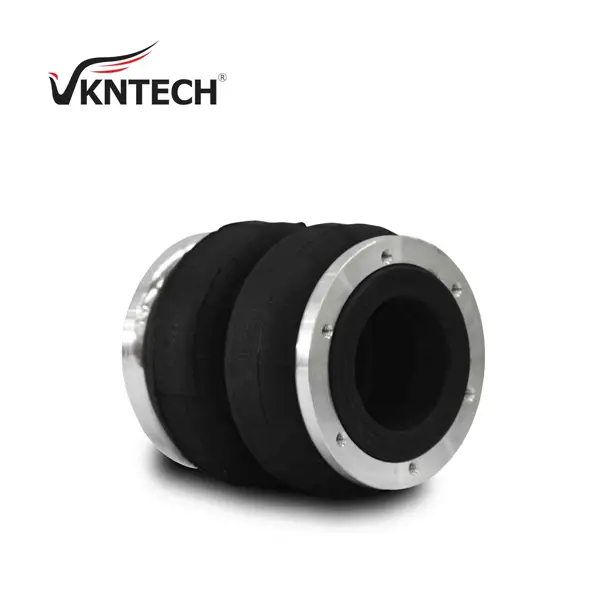
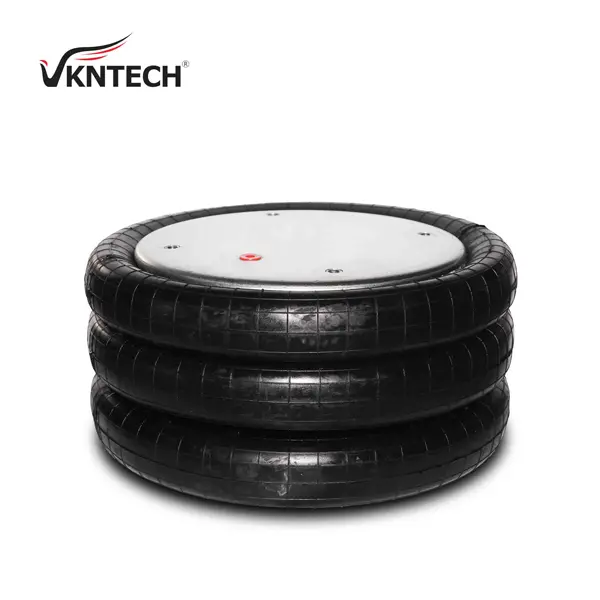
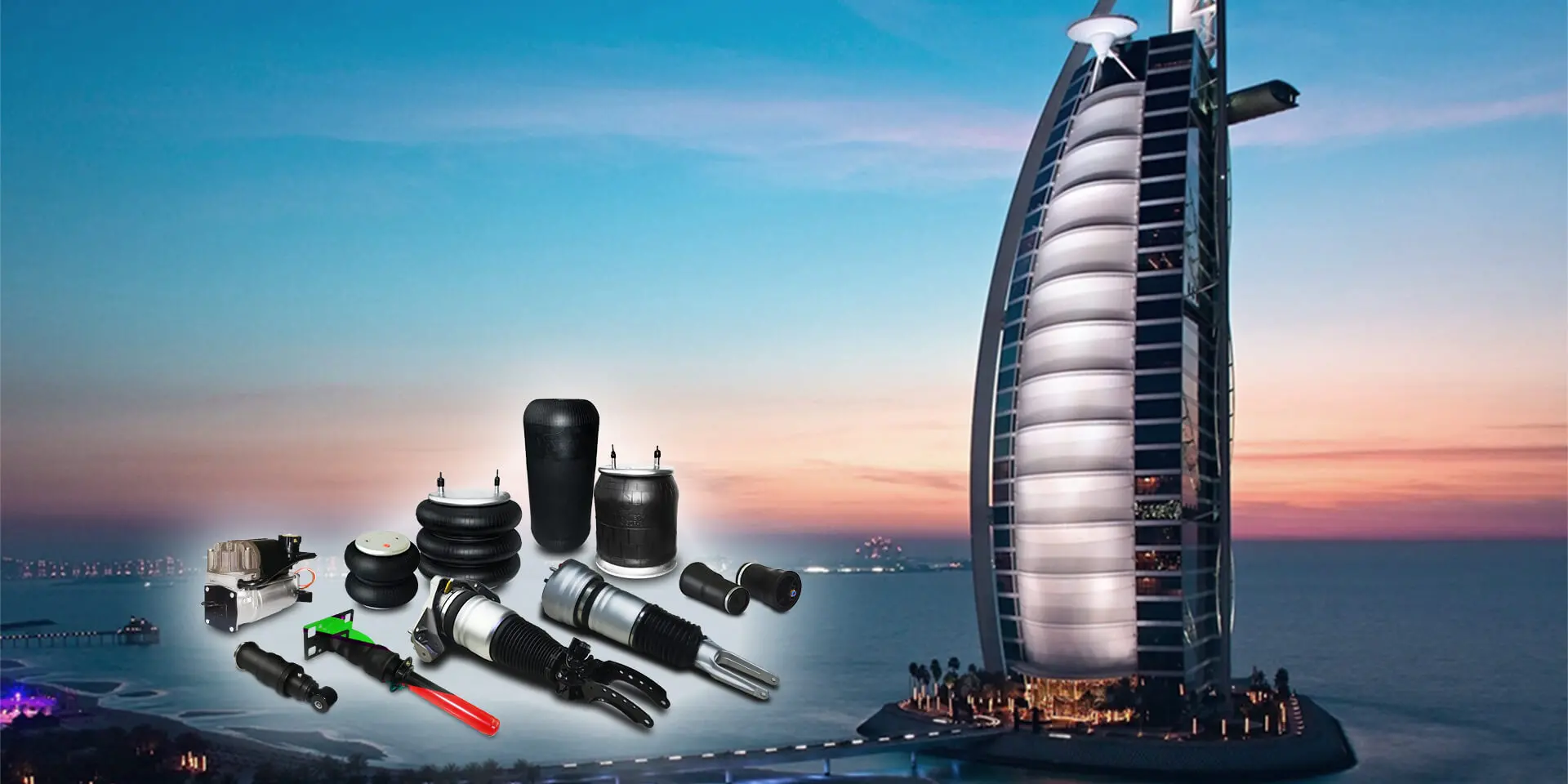
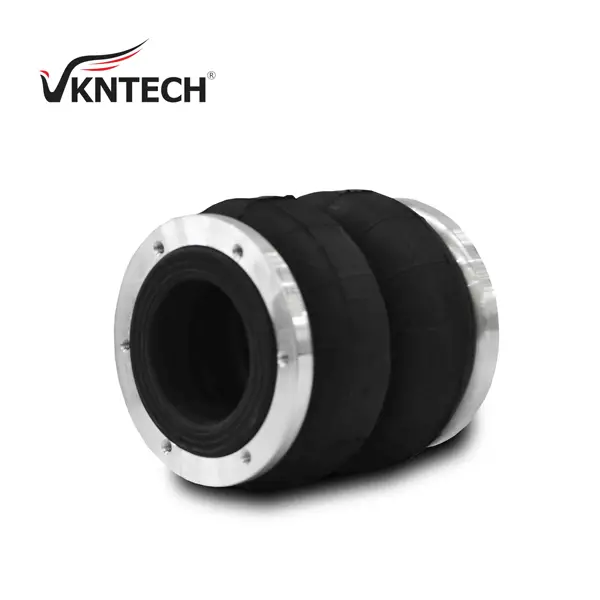
Common products include:
Each part must operate under varying pressure conditions while maintaining long-term durability and system stability.
To understand the role of an air suspension parts manufacturer, it is important to understand how air suspension systems function.
Air suspension systems replace mechanical springs with air-filled rubber or polyurethane bags. The system adjusts air pressure inside these bags to control vehicle height, load distribution, and ride comfort.
This closed-loop system allows real-time adjustment based on road conditions and load changes.
An air suspension parts manufacturer must ensure that every component meets strict engineering requirements due to the demanding operating environment.
Components must withstand continuous air pressure cycles without deformation or leakage.
Suspension systems operate under varying environmental conditions, requiring materials that maintain performance in both high and low temperatures.
Air suspension parts undergo repeated compression and expansion cycles, requiring strong fatigue resistance.
Leak prevention is critical to maintaining system stability and avoiding performance loss.
These requirements directly influence design, material selection, and manufacturing precision.
Material engineering is a core aspect of any air suspension parts manufacturer.
Used in air springs to provide flexibility and pressure resistance.
Common in valve blocks and compressor housings due to lightweight and corrosion resistance properties.
Used in structural components requiring load-bearing strength.
Applied in sensor housings and non-load-bearing components for insulation and durability.
Each material is selected based on mechanical stress and environmental exposure conditions.
The production process requires high precision and strict quality control at every stage.
Raw materials are selected based on mechanical and environmental requirements.
Rubber components such as air springs are molded under controlled temperature and pressure conditions.
Metal components such as valve blocks are machined to precise tolerances.
Multiple components are assembled into functional systems or sub-systems.
Each part undergoes performance testing, including:
This ensures long-term operational reliability.
Products developed by an air suspension parts manufacturer are widely used in transportation and industrial sectors.
Improves load stability and reduces vibration during long-distance transport.
Enhances ride comfort and maintains consistent vehicle height under varying passenger loads.
Supports heavy load distribution and improves cargo safety.
Used in equipment transport and off-road applications requiring adjustable suspension height.
Each application demands different performance configurations.
Operating an air suspension system involves several technical challenges:
Even minor leaks can affect system performance and stability.
Vehicles experience rapid load shifts requiring instant system response.
Continuous pressure cycling can lead to material fatigue over time.
Compressor, valves, and sensors must operate in precise coordination.
Addressing these challenges requires advanced engineering and manufacturing control.
Within the suspension industry, VKNTECH focuses on developing air suspension components designed for stability, durability, and system compatibility. As an air suspension parts manufacturer, the emphasis is on ensuring that each component integrates seamlessly into complete suspension systems used in commercial and industrial vehicles.
The focus is not only on individual parts but also on system-level performance, ensuring that all components work together under real-world operating conditions.
Proper maintenance is essential to ensure long-term system performance.
Key maintenance practices include:
Routine maintenance helps extend system lifespan and maintain ride quality.
The role of an air suspension parts manufacturer is essential in modern vehicle engineering, providing the core components that enable adaptive suspension systems. From air springs and compressors to sensors and valve systems, each part contributes to ride comfort, load stability, and operational efficiency.
For VKNTECH, air suspension component manufacturing represents a commitment to system reliability and engineering precision, supporting a wide range of transportation and industrial applications where stability and performance are critical.


 en
en
 English
 Vietnamese
 Spanish
 Thai
Thai Portuguese
 Korean
 Russian
 French
 German
 Polish
 Arabic
 Indonesian
 Burmese